
Next-generation infrastructure solutions to support emerging technologies
In this IT modernization guide, learn about building a modern IT infrastructure that meets your business needs with support from RSM advisors.
Digital transformation is imperative for every modern business. But if you don’t have the right technology infrastructure to support that transformation, it simply cannot happen. You need modern IT systems that can provide fast response times, excellent user experiences and rock-solid security.
Planning, designing and building a modern IT infrastructure that can serve as your foundation for future growth and innovation requires a careful assessment of your current capabilities. It demands a clear articulation of your technology strategy and a clear path to get from here to there.
With the right systems in place, you can increase IT security and operational efficiency, transform existing processes and improve employee productivity—all while positioning your business for the future.
RSM can help you turn your IT infrastructure into a competitive advantage
Your IT infrastructure is the foundation for your technology, which makes it the bedrock of your organization. Is your current technology capable of meeting the needs of the future?
In this short video, you’ll learn how RSM can turn the IT environment into a key driver of business value. By defining the right strategy, utilizing the right technology and leveraging the perfect mix of in-house and outsourced solutions, you can meet your organization’s evolving needs, optimize spending, improve performance and work smarter.
Table of contents
Your guide to IT modernization
Why is IT modernization so critical for businesses?
What technologies can be used to modernize IT?
What are the challenges to modernizing IT?
How to get started with IT modernization
Your guide to IT modernization
Organizations are increasingly recognizing the need to modernize their IT capabilities to harness the transformative powers of cloud computing, predictive analytics and artificial intelligence (AI). Our latest best practices guide outlines the strategic approach needed to drive growth, efficiency and innovation through disciplined IT infrastructure modernization.
To succeed, signs your organization needs IT modernization should proceed along a disciplined path to ensure you’ve covered every aspect of the process. A thorough examination of your current tech stack, resulting in a gap analysis, is the first step in pinpointing areas that require updating to support new digital technologies.
The infrastructure modernization process is highly complex, and it’s not typically one of an organization’s primary areas of expertise. It’s crucial to choose a strategic advisor with the experience to guide you through the process.
Understand what it takes to build the foundation your organization needs for sustainable growth and innovation.
What is IT modernization?
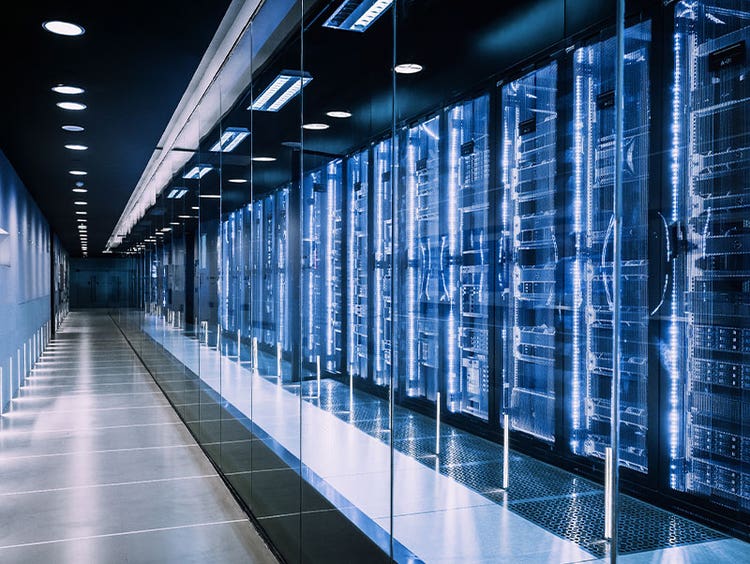
IT modernization is the process of managing or transitioning away from outdated solutions and legacy systems. It involves consolidating systems and workflows in favour of more automated and innovative solutions. It also means regularly evaluating IT infrastructure to ensure data is protected and technology is updated.
Why is IT modernization so critical for businesses?
Modernizing IT is not just about technology; it’s a strategic imperative for businesses to thrive in today’s dynamic landscape. It’s compelling because it delivers:
-
Enhanced efficiency and agility
Organizations can streamline processes, automate tasks and respond more swiftly to changing market conditions.
-
Security and compliance
Modernization ensures robust security measures, compliance with regulations and better protection against cyberthreats.
-
Cost savings and optimization
Operational expenses can be reduced by optimizing resource utilization and eliminating redundant processes
-
A competitive edge
Organizations that embrace IT innovation stay ahead of the curve.
-
Scalability and flexibility
A modern infrastructure enables seamless expansion through cloud adoption and flexible architectures.
-
Digital transformation
Empowers businesses to leverage data, analytics and emerging technologies for strategic growth
What technologies can be used to modernize IT?
By evaluating your current technology, you can identify the challenges holding your business back as well as the available opportunities for surging ahead. Our team has identified six core IT infrastructure considerations to build a strong foundation for business:
-
Assessment and planning
The framework you use to assess your current modernization maturity will not only determine what you focus on but will be used to evaluate your progress. -
Business resilience
To overcome the risk of unplanned disruptions, develop and implement a resilient IT infrastructure security strategy that ensures robust technical design and overlapping redundancy so you can keep your business operational and recover quickly from cyberattacks. -
Network and data center
Your network and data must meet the needs of modern applications but also accommodate the massive increase in bandwidth generated by the next generation of applications.
-
Security and risk management
A well-rounded security and risk management strategy will encompass everything from network security and identity and access management to security monitoring, incident response and employee security training. -
Data storage and recovery
Assessing your data management and storage needs means understanding not just how much data you have but how you use and secure it. -
Operations and talent
Having an effective, modern IT infrastructure requires more than just the latest digital technology. It also requires people who know how to maximize its use to ensure you’re maximizing your IT investments.
What are the challenges to modernizing IT?
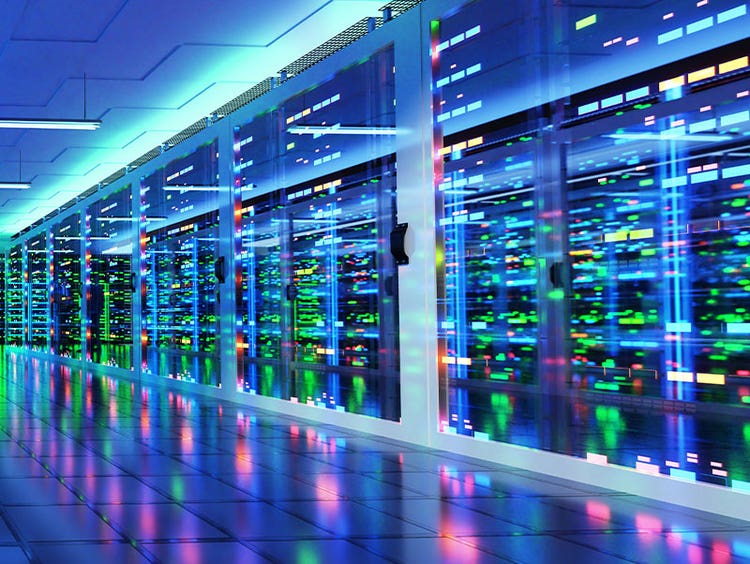
IT modernization is a critical endeavour, but it comes with its own set of challenges. Legacy systems can be outdated, inflexible and difficult to integrate with modern technologies. Migrating data from legacy systems can be time-consuming and error-prone so ensuring data integrity and consistency during migration can be a significant challenge. Legacy systems often lack robust security features so modernization must address security vulnerabilities and protect against cyberthreats.
Employees and leadership may be resistant to adopting new technologies so effective change management is an important part of the strategy. Often existing processes may be inefficient or redundant but streamlining operations requires careful planning. Organizations need a strong workforce with skilled professionals to drive modernization; a shortage of resources with emerging technology experience can impede progress. Addressing these challenges strategically and collaboratively is essential for a successful IT modernization.
How to get started with IT modernization
With technology changing how you do business, it’s important to make sure your IT infrastructure can support your overall business goals. Here are six ways to unlock the full potential of your IT infrastructure so you can optimize your business transformation:
- Right-size IT infrastructure for your business needs
- Enhance reliability to safeguard operations
- Deliver a better customer experience
- Attract, retain and upskill IT resources
- Protect business data and systems
- Prepare for artificial intelligence
RSM advisors deliver IT modernization services that enable your business to identify, build and manage the next generation of infrastructure systems, safeguard your business assets and meet the unique regulatory compliance requirements of your industry.

More IT modernization insights
77%
Over three-quarters of executives plan to increase their information technology (IT) budgets in 2024.
65%
Increased concern over cybersecurity was a top motivation for changing IT budgets.
40%
Company leaders said finding and retaining tech talent is somewhat or very difficult.
IT modernization FAQs
- Cloud migration: Moving applications and data to the cloud
- Hybrid cloud: Combining on-premises and cloud environments
- Multicloud: Using multiple cloud providers
- Cost savings: Modernization efforts lead to immediate cost savings
- Operational agility: Organizations see increased speed and agility across their entire technology stack
- Scalability: Modernization enables scalability to meet changing business demands
- Resilience and security: Resilience and security in IT systems are prioritized
- Progress: Modernization drives the adoption of new technologies